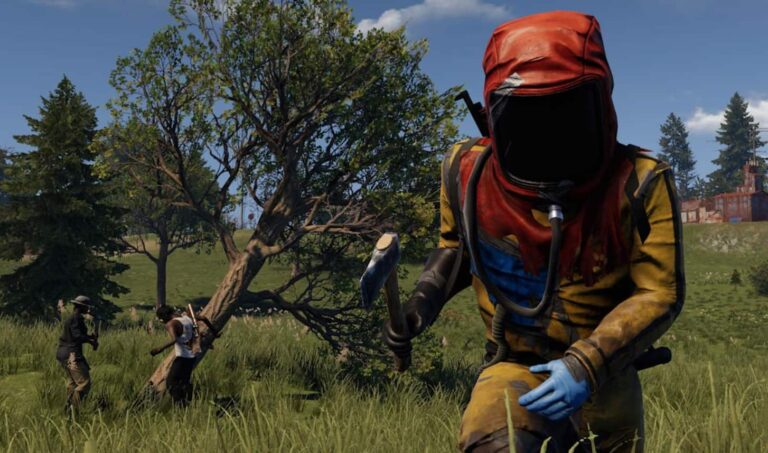
Cloth remains one of the most critical early-game resources in RUST.
Without it, you cannot craft sleeping bags, medical supplies, or basic protective gear needed for survival.
Fresh spawns often die repeatedly because they lack the knowledge to secure cloth efficiently.
Wipes reset progress constantly, forcing players to master fast cloth acquisition methods or fall behind competing groups.
How to Get Cloth in RUST in 2026?
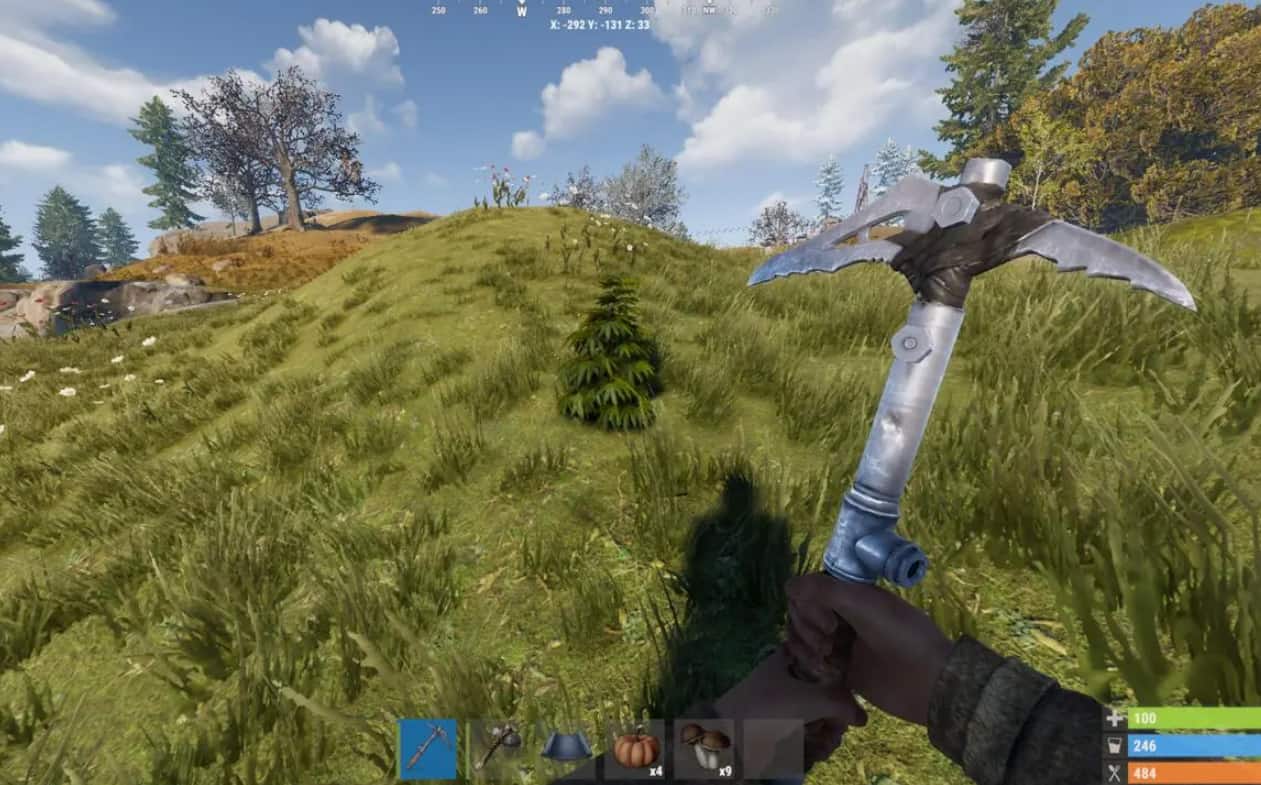
This guide covers every viable cloth farming method that works in 2026.
From recycler loops to automated hemp farms, each strategy is tested and optimized for different spawns, biomes, and wipe stages.
How to Get Cloth in RUST?
Cloth enables critical early-game crafts, including sleeping bags (30 cloth), bandages (4 cloth each), and medical syringes (15 cloth).
Without a steady cloth income, players cannot establish respawn points or recover from combat effectively.
Early wipe, cloth determines spawn security and progression speed.
Mid to late wipe, large-scale hemp farms produce thousands of cloth hourly, supporting team medical supplies and trading operations.
Different spawns require different approaches.
River spawns offer abundant hemp plants.
Snow and desert spawns force reliance on animal farming, recycling, and alternative methods.
Fastest Ways to Get Cloth in RUST
The optimal cloth farming method depends on spawn location, wipe stage, and available resources.
Early wipe prioritizes low-risk methods like hemp picking and recycling. Mid-wipe shifts toward automated farming systems.
| Method | Avg Cloth / Hour | Risk Level | Best Use Case |
|---|---|---|---|
| Recycling Rope & Tarps | 300–500 | Low | Early wipe |
| Hemp Farm (3×3) | ~3900 | Low | Mid–late wipe |
| River Hemp Runs | 200–400 | Low | Fresh spawns |
| Animal Farming | 150–300 | Medium | Snow/Jungle |
| Barrel Looting | 100–250 | Medium | Road routes |
| Cactus Farming | 100–200 | Low | Desert |
| Tactical Gloves Loop | 200–400 | Low | Safe scrap use |
Match your method to your spawn biome and current wipe stage.
Forest and river spawns favor hemp runs. Snow and jungle biomes require animal farming or recycling focus.
Desert spawns combine cactus harvesting with barrel routes.
How to Get Cloth in Rust (All Proven Methods)
These methods cover every viable cloth acquisition strategy. Each approach works consistently across different servers, maps, and wipe cycles.
1. Hemp Runs Are Still King
Hemp plants spawn primarily in grassy biomes, with the highest density along riverbanks and forest edges. Fully grown plants yield 10 cloth and 1 seed when harvested.
Rivers produce the most consistent hemp spawns. Running river routes for 10-15 minutes typically yields 200-400 cloth depending on server population and respawn rates.
Plant harvested seeds in planters or near your base. Even without advanced farming setups, manual planting ensures backup cloth sources when wild spawns are contested. This is how to get cloth in rust fast during early wipe.
2. Farm Animals If You’re in Bad Biomes
Animals drop cloth when harvested with appropriate tools. Boars, wolves, deer, and chickens all provide cloth yields, with larger animals giving higher amounts per kill.
Bone knives extract maximum cloth from animal carcasses. Stone tools work but provide reduced yields. Salvaged tools offer similar efficiency to bone knives.
Snow biomes contain no wild hemp, making animal farming essential. Hunt wolves and bears near monuments. Combine hunting with recycling for a steady cloth income in hemp-free zones.
3. Recycle Trash for Big Cloth Gains
Rope recycles into 15 cloth. Tarps yield 50 cloth. Sewing kits provide 10 cloth each. These items spawn frequently in barrels and crates along roads and at monuments.
Safe recycler locations include Outpost, Bandit Camp, and quiet green card monuments. Avoid recycling at contested areas like Launch Site or Military Tunnels without backup.
A single road run collecting rope, tarps, and clothing items can produce 300-500 cloth after recycling. This method scales well into mid-wipe when barrel loot respawns consistently.
4. Smack Cactus If You Spawned Desert
Large cacti yield 3-5 cloth when struck with tools. Cactus flesh drops simultaneously, providing hydration and minor healing. Use hatchets, pickaxes, or salvaged tools for safe harvesting.
Bare hand harvesting works but inflicts damage per hit. Avoid this method unless no tools are available. Target large cactus clusters in flat desert areas and near desert monuments.
Cactus farming alone cannot sustain cloth needs. Combine cactus routes with barrel looting and recycling for efficient desert cloth strategies.
5. Barrel Loot = Recycle Fuel
Barrels spawn rope, tarps, sewing kits, tactical gloves, and various clothing items. All recycle into cloth at varying rates. Barrel routes along roads between monuments provide consistent loot.
High-yield barrel locations include Oxum’s Gas Station, Supermarket, Abandoned Cabins, and road networks between Outpost and Bandit Camp. Run routes during low population hours for maximum efficiency.
Carry stashes on barrel runs. Drop excess loot in hidden stashes to minimize losses if killed. Return with bags to transport loot safely to recyclers.
6. Turn Gloves into Cloth with the Outpost Trick
Tactical gloves cost 40 scrap at Outpost vending machines. Each pair recycles into 5 sewing kits, totaling approximately 200 cloth (50 cloth per glove pair when recycled completely).
This method works identically on PC and console. For console players learning how to get cloth in rust console edition, this loop provides safe, repeatable cloth income without PvP risk.
Run this loop mid-wipe when scrap accumulates from monument runs. Convert excess scrap into cloth rather than holding unused resources. The loop requires no combat and can be repeated an unlimited number of times.
Automated Hemp Cloth Farm (Pro Setup)
Automated farming eliminates manual hemp gathering. A properly configured system produces consistent cloth without player involvement beyond harvesting and replanting.
Required Components:
- 9 large planter boxes
- Ceiling lights or solar panels with lights
- Water source (water pump, water barrel, or sprinkler system)
- High-genetics hemp seeds (G, GG, or GGG quality)
Plant hemp in 3-row configurations within large planters. Each planter holds 6 plants.
Connect lights to a power source (solar or electrical grid).
Ensure a consistent water supply through pumps or manual filling.
GGG genetics provide maximum yield. GG genetics offer strong performance.
Standard G genetics work adequately for basic setups.
Clone high-quality plants to propagate superior genetics across your farm.
| Setup | Cloth / Harvest | Cycle Time |
|---|---|---|
| 1 Planter | 150–180 | 50–60 min |
| 3×3 Farm | 1300–1500 | 1 hour |
Harvest every 50-60 minutes for maximum efficiency. With proper maintenance, 3×3 farms produce 3,600-3,900 cloth hourly.
This output covers all team medical needs, trading surplus, and equipment crafting.
Indoor farms work in any biome, including snow. Build farming rooms with dedicated electrical circuits.
Protect farms with reinforced walls and airlocks to prevent raids targeting your cloth production.
Best Cloth Spots by Biome
Biome determines available cloth methods. Understanding biome-specific strategies prevents wasted time farming in the wrong locations.
1. Forests, Rivers, and Plains
- Highest natural hemp spawn rates
- River curves and sandbars contain dense hemp clusters
- Forest edges near water sources provide a consistent respawn
- Run 15-minute loops for 200-400 cloth
- Use stashes to store clothes mid-route
2. Snow Biome
- Zero wild hemp spawns
- Focus on animal hunting (wolves, bears, deer)
- Recycle rope, tarps, and gloves from snow monuments
- Build indoor hemp farms immediately
- A bone knife is essential for maximum animal yields
3. Jungle Biome
Understanding how to get cloth in jungle requires different strategies than other biomes. Hemp spawns inconsistently in jungle terrain compared to forest biomes.
- Check cliff edges and valley floors for occasional hemp clusters
- Hunt bears and boars with a bone knife
- Recycle monument loot from jungle bases
- Avoid deep jungle areas (low hemp density)
- Prioritize rocky transition zones
4. Desert Biome
- No natural hemp spawns
- Cactus harvesting yields 3-5 cloth per large cactus
- Combine cactus routes with barrel runs
- Recycle rope and tarps from desert monuments
- Efficient for solo players avoiding PvP
5. Console Edition Players
- Rivers and forests provide identical hemp spawns as PC
- Cactus farming works without modification
- Outpost glove loop functions normally
- Plant 1-2 planters early for mid-wipe cloth security
- Clone GG seeds to maintain quality genetics
Mistakes to Avoid
- Skipping recyclers: Rope, tarps, and gloves provide hundreds of yards of cloth. Barrel loot must be recycled, not discarded.
- Wrong tools on animals: Hatchets and pickaxes reduce cloth yield. Use bone knives or salvaged tools exclusively.
- Farming dead loops: Hemp respawns require time and distance. Rotate between multiple river sections or loop routes.
- Carrying excess cloth: Never roam with 300+ pieces of cloth. Stash surplus near farming routes to minimize death losses.
- Ignoring cloning: Clone high-genetics hemp to maintain farm quality. A single GGG plant can populate an entire farm through cloning.
FAQs
- What gives the most cloth in RUST?
A fully optimized 3×3 hemp farm with GGG genetics produces 3,600-3,900 cloth hourly. For roaming players, recycling tactical gloves and tarps provides the highest cloth per time invested.
- How do I get a cloth early wipe?
Run river hemp routes immediately after spawning. Collect rope and tarps from barrels. Recycle at Outpost or Bandit Camp. This secures 200-400 cloth within 15-20 minutes.
- Can you farm cloth in snow?
Yes, but not from wild hemp. Snow biomes require indoor hemp farms with lights and water. Hunt animals with a bone knife and recycle monument loot as backup methods.
- How to get wool in Rust?
RUST does not have wool as a separate resource. Sheep do not exist in game. All fabric-related crafting uses cloth obtained through hemp, animals, recycling, or cactus.
- How to get water in Rust?
Collect water from rivers, lakes, or the ocean using water containers. Build water catchers to collect rainwater. Water pumps extract water when placed near water sources and are powered electrically.
- How to get cloth in Stardew Valley?
This guide covers RUST exclusively. Stardew Valley uses entirely different cloth mechanics involving wool and looms. The games share no cloth farming methods.
Conclusion:
Cloth farming efficiency depends on matching methods to wipe progression and spawn location.
Early wipe priorities:
- Secure 30 cloth for the first sleeping bag
- Run river hemp routes
- Recycle the first barrel loot immediately
Mid wipe priorities:
- Establish 1-3 planter setup
- Clone GG or GGG seeds
- Run tactical glove loops with excess scrap
Late wipe priorities:
- Maintain an automated 3×3 farm
- Focus on genetics optimization
- Trade surplus cloth for scrap or components
Master one method first, then scale to multiple systems. Players who build hemp farms early dominate the cloth economy throughout the wipe. Those relying solely on wild hemp remain cloth-limited indefinitely.
Also Check:
- When Did Rust Come Out
- Is Rust Cross Platform Game
- How To Change Character in Rust
- Best Glowing Skins in Rust
- How To Get Rust Skins
About the Author