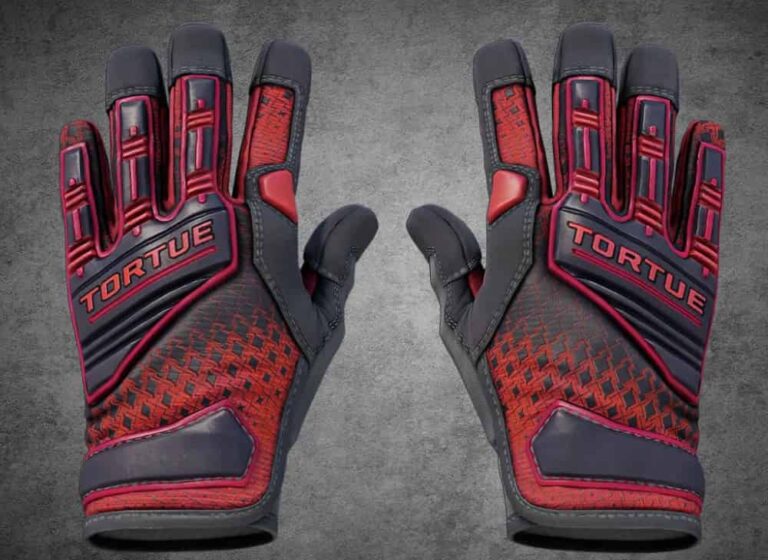
Rust skins change weapon and tool appearance without affecting gameplay mechanics.
New players often face confusion about acquisition methods because multiple systems exist simultaneously.
Understanding how to get Rust skins in 2026 requires knowledge of both free and paid pathways.
Each method involves different time commitments, costs, and risk levels.
This guide explains all legitimate acquisition methods through comparison tables and risk assessments.
You’ll learn which options match your budget, time availability, and risk tolerance.
How To Get Rust Skins in 2026?
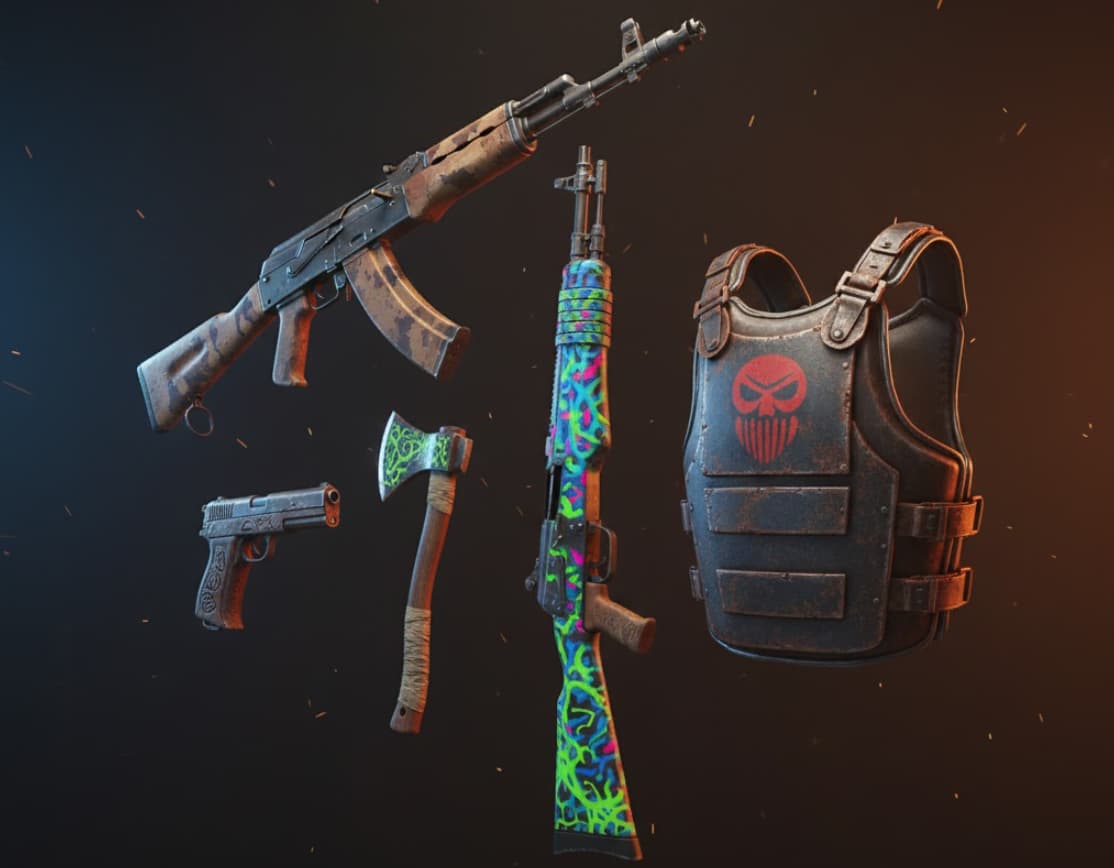
Rust skins follow two main acquisition paths: free methods requiring time investment and paid methods offering immediate access.
Neither path guarantees specific items without understanding the underlying systems.
Free options include weekly drops, seasonal events, and community contests.
These require active gameplay and participation but involve zero financial cost.
The trade-off centers on time investment and unpredictable outcomes.
Paid methods are split between official Steam transactions and third-party marketplace purchases.
Steam offers maximum security with higher prices. Third-party platforms provide lower costs with increased verification requirements.
Understanding how to get Rust skins means evaluating which combination of methods fits your priorities.
Time versus money calculations differ for each player. Someone playing 20 hours weekly can accumulate drops consistently.
Someone playing 5 hours monthly benefits more from targeted purchases.
What are skins in Rust, and how does the system work?
Rust skins are cosmetic overlays applied to weapons, tools, clothing, and building components.
They provide zero gameplay advantages. Damage output, resource gathering speed, and durability remain identical across all visual variants.
Skins exist in your Steam inventory independently of server wipes.
You lose all in-game progress during wipes, but skins remain permanently accessible for reapplication.
The rarity system uses tiered classifications: Consumer Grade, Industrial Grade, Mil-Spec, Restricted, Classified, Covert, and Contraband.
Higher rarity typically correlates with higher market prices, though popularity and age also significantly impact value.
Market value fluctuates based on supply, demand, and game updates.
Some skins released years ago now trade for hundreds of dollars due to limited supply and community preference.
How to Use Rust Skins?
Applying skins requires accessing your Steam inventory while connected to a Rust server.
Open inventory, locate the item you want to skin, and select from the available options you own.
Crafted items automatically receive your selected skin if you’ve designated it as active.
The skin applies to newly crafted instances, not existing items in storage.
Server compatibility varies minimally. All official servers support all legitimate Steam inventory skins.
Modded servers occasionally restrict certain cosmetics, but this remains uncommon.
Community servers follow the same Steam inventory system as official servers.
Skin selection persists between sessions.
Once you designate a preferred skin for a weapon type, all future crafts of that weapon use the selected appearance until you change it manually.
How to get skins in Rust just by playing: the reward system?
Facepunch Studios operates a weekly drop system rewarding active players.
Drops occur every Thursday for accounts meeting minimum playtime requirements during the previous week.
Drop contents follow random selection from the available pool items weighted by rarity.
Most drops contain Consumer or Industrial Grade items valued under $0.50.
Rare items drop at a significantly lower probability.
| Method | Cost | Drop Frequency | Typical Value | Risk Level |
|---|---|---|---|---|
| Weekly Drops | Free | Once per week | $0.03–$0.50 | None |
| Seasonal Events | Free | Limited periods | $0.50–$5.00 | None |
| Community Giveaways | Free | Variable | $1.00–$50.00 | Low |
The weekly system represents the most reliable way to get free rust skins for beginners.
Consistency matters more than individual drop value.
Playing regularly for months accumulates dozens of items that collectively hold value.
Expectations should remain realistic. A year of consistent weekly drops typically yields $20-$40 in total inventory value at market prices.
Rare, valuable drops occur but remain statistical outliers.
Buying on the Steam Community Market: Safety and Reliability
Steam’s official marketplace provides the most secure transaction environment. Valve’s infrastructure handles all payment processing, inventory transfers, and dispute resolution.
| Aspect | Advantage | Limitation |
|---|---|---|
| Security | Valve-backed transaction protection | No chargeback option after acceptance |
| Selection | Complete catalog of all released skins | Higher prices due to 5% + 10% fees |
| Speed | Instant inventory delivery | Funds locked to Steam Wallet |
| Accessibility | No external account requirements | Regional pricing variations apply |
The Rust item store functions through Steam’s marketplace infrastructure rather than a dedicated in-game shop.
All legitimate skin purchases occur through Steam’s systems or authorized third-party sites connecting to Steam’s API.
Steam Wallet funds cannot be converted back to bank accounts.
Money deposited stays within Steam’s ecosystem for game purchases, marketplace transactions, or community features.
Price premiums compared to third-party platforms typically range from 10-25%.
The premium pays for transaction security and instant delivery without external verification steps.
Buying on Third-Party Sites: Cost-Effective, But Be Careful
Third-party marketplaces offer identical items at reduced prices due to lower fee structures.
Savings range from 10% on common items to 40% on rare skins compared to Steam pricing.
Transaction mechanics differ significantly.
Purchases occur through the platform’s website, then delivery happens via Steam’s trade system.
You must accept a trade offer from the seller’s account to receive items.
| Factor | Low Risk Scenario | High Risk Scenario |
|---|---|---|
| Platform Age | Established 2+ years with verified history | New site with limited online presence |
| Payment Method | Card with buyer protection or PayPal | Cryptocurrency only with no recourse |
| User Reviews | Hundreds of positive verified transactions | Few reviews or negative feedback patterns |
| URL Verification | Official domain matching known marketplace | Similar domain with slight misspelling |
| Trade Process | Standard Steam trade offer system | Requests for account credentials or “verification” |
Verification requirements include connecting your Steam account via OAuth.
Legitimate platforms never ask for your password. Trade URLs and API keys should only be provided through official Steam authorization pages.
Processing time varies from minutes to hours, depending on inventory availability and seller response. Automated systems typically deliver the fastest.
Trading with Other Players
Peer-to-peer trading allows direct item exchanges between players. You negotiate terms and execute transfers through Steam’s built-in trading system.
Common trading venues include:
- Discord servers dedicated to Rust trading
- Reddit communities like r/RustSkins
- Steam Community groups
- In-game chat on high-population servers
Risk levels remain high without intermediary protection.
Scam tactics include bait-and-switch (showing one item, trading another), impersonation (fake admin accounts), and phishing links (malicious sites stealing credentials).
Middleman services reduce risk by holding items from both parties until both confirm satisfaction.
Trusted middlemen typically come from established communities with verified reputations.
Never use a middleman suggested by the person you’re trading with—always verify independently.
Steam’s trade hold system adds 15-day delays for new device authorizations.
This protects against account compromises but slows legitimate trades.
How to get free skins in Rust 2026 via events and contests?
Facepunch runs seasonal events tied to real-world holidays.
Halloween, Christmas, and Easter events include limited-time gameplay activities rewarding exclusive skins unavailable through other methods.
Event participation requires active gameplay during the event window.
Tasks vary from killing special NPCs to collecting holiday-themed items scattered across maps.
Rewards go directly to participant inventories upon completion.
| Event Type | Cost | Effort Required | Reward Type |
|---|---|---|---|
| Developer Seasonal Events | Free | Medium (5-10 hours gameplay) | Exclusive event skins |
| Twitch Drops | Free | Low (watch streams) | Limited-edition drops |
| Community Contests | Free | Variable (creative submissions) | Donated skins from organizers |
| Streamer Giveaways | Free | Low (follow/subscribe) | Random raffle items |
Twitch drops represent passive acquisition opportunities.
Facepunch occasionally partners with streamers for campaign periods where watching authorized streams for specified durations automatically grants items to linked accounts.
Linking requires connecting your Twitch and Steam accounts through official authorization.
Community contests reward creativity more than gameplay skill.
Screenshot competitions, base design showcases, and fan art submissions often offer skin prizes. Quality submissions stand out more than quantity.
How to Get Skins on Rust Servers: Truths and Myths
Server-based skin acquisition claims require careful evaluation. No legitimate servers automatically grant expensive items for simple playtime or casual participation.
Myth versus fact breakdown:
- Myth: Servers can generate free skins for players
- Fact: Only Steam controls inventory additions; servers cannot create items
- Myth: “Skin gambling” sites offer fair odds
- Fact: These violate Steam’s Terms of Service and frequently scam users
- Myth: Special plugins give admins skin distribution powers
- Fact: Server plugins cannot modify Steam inventories
Legitimate server giveaways exist but follow strict patterns. Admins purchase skins with personal funds and distribute them through official Steam trades.
No legitimate giveaway requires participants to deposit items, provide account credentials, or pay “processing fees.”
Warning signs indicating scams:
- Requests for account passwords or Steam Guard codes
- Requirements to trade items before receiving prizes
- Pressure tactics create artificial urgency
- Gambling or betting mechanics involving skins
- “Verification” steps requiring external site visits
Trusted community giveaways announce winners publicly and complete trades through verifiable Steam profiles.
Organizers maintain a consistent Discord or Steam Community presence with months or years of verified history.
Which method should you choose for your collection?
Selection depends on individual priorities across cost, time, and risk tolerance dimensions. No single method suits all players equally.
| Player Type | Best Method | Cost | Risk |
|---|---|---|---|
| Casual player (5 hours/week) | Weekly drops + seasonal events | Free | None |
| Active player (20+ hours/week) | Weekly drops + Twitch drops + contests | Free | Low |
| Targeted buyer (wants specific skins) | Steam Market or verified third-party | $5-$100+ | None to Low |
| Budget-conscious buyer | Third-party marketplaces | $3-$80+ | Low (with verification) |
| Trader/flipper | Player trading + market arbitrage | Variable | Medium to High |
Beginners should start with risk-free methods while learning the system.
Weekly drops and seasonal events provide steady acquisition without financial exposure.
Once familiar with rarity tiers and market prices, informed purchasing decisions become possible.
Combining multiple methods typically yields the best results.
Play regularly for drops, participate in events, and purchase specific desired items during price dips.
FAQs:
- How to Obtain Skins in Rust if I’ve Just Started Playing?
Focus on weekly drops by maintaining regular playtime. Participate in active seasonal events. Avoid trading until you understand market values to prevent bad deals.
- Can I get banned for buying skins from third-party sites?
No, if transactions occur through Steam’s official trade system. Never use sites that request your password or offer “duplication” services.
- Do skins disappear after server wipes?
No. Skins exist in your Steam inventory permanently. Wipes only reset in-game progress, not inventory items.
- Are Twitch drops still active in 2026?
Availability varies. Check Rust’s official Twitter and Facepunch blog for current campaign announcements. Not all streamers qualify for drops at all times.
- What’s the safest way to trade with other players?
Use established marketplace platforms with escrow systems. Never trade directly without verified middleman services. Always verify the other party’s Steam profile age and trade history.
Conclusion:
Multiple legitimate pathways exist to understand how to get rust skins in 2026.
Your choice depends on balancing time availability, budget constraints, and risk tolerance.
Key methods summarized:
- Weekly drops provide steady free acquisition, requiring only regular gameplay
- Steam Market offers maximum security with price premiums
- Verified third-party sites deliver cost savings with proper verification
- Seasonal events grant exclusive items unavailable elsewhere
- Trading requires high caution and verification protocols
Start with risk-free methods to build foundational knowledge.
Once comfortable with the system, add targeted purchases or careful trading. Account security always matters more than any individual item value.
Also Check:
About the Author