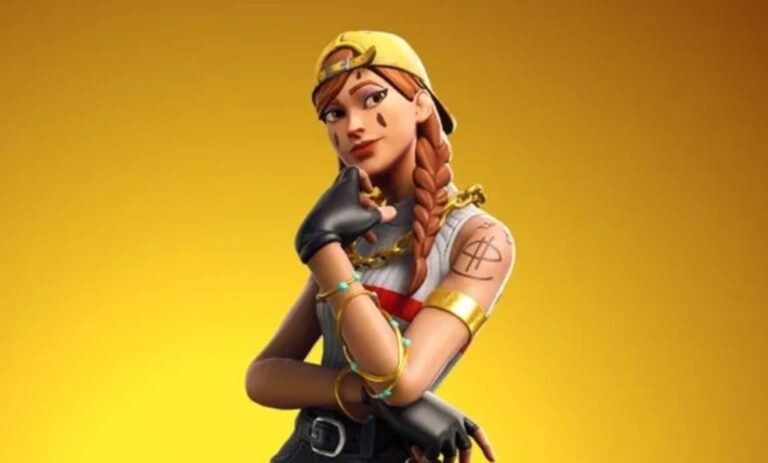
Fortnite continues to expand its cosmetic universe, and anime-inspired content has quietly become one of its strongest pillars.
Over the years, these collaborations have evolved from experimental cell-shaded designs into polished, franchise-faithful skins that players instantly recognize.
What makes these releases stand out is how seamlessly they blend iconic anime characters into Fortnite’s fast-paced world.
Each drop feels carefully timed, with skins often launching alongside seasons, events, or major updates.
Rather than overwhelming players with volume, Epic Games has focused on depth—multiple waves, character styles, and themed items.
This steady evolution has kept interest high without revealing what’s coming next.
Fortnite anime skins
Understanding Fortnite’s Anime Collaborations
Anime collaborations in Fortnite now span multiple chapters, franchises, and release waves. From early experiments to fully realized crossover events, these skins reflect Epic’s growing confidence in anime-styled cosmetics.
Each collaboration follows a familiar pattern: a limited set of characters at launch, followed by expanded waves based on community demand. This approach has shaped how players view Fortnite anime skin collaborations today.
Complete List of Fortnite Anime Skins
Naruto Series
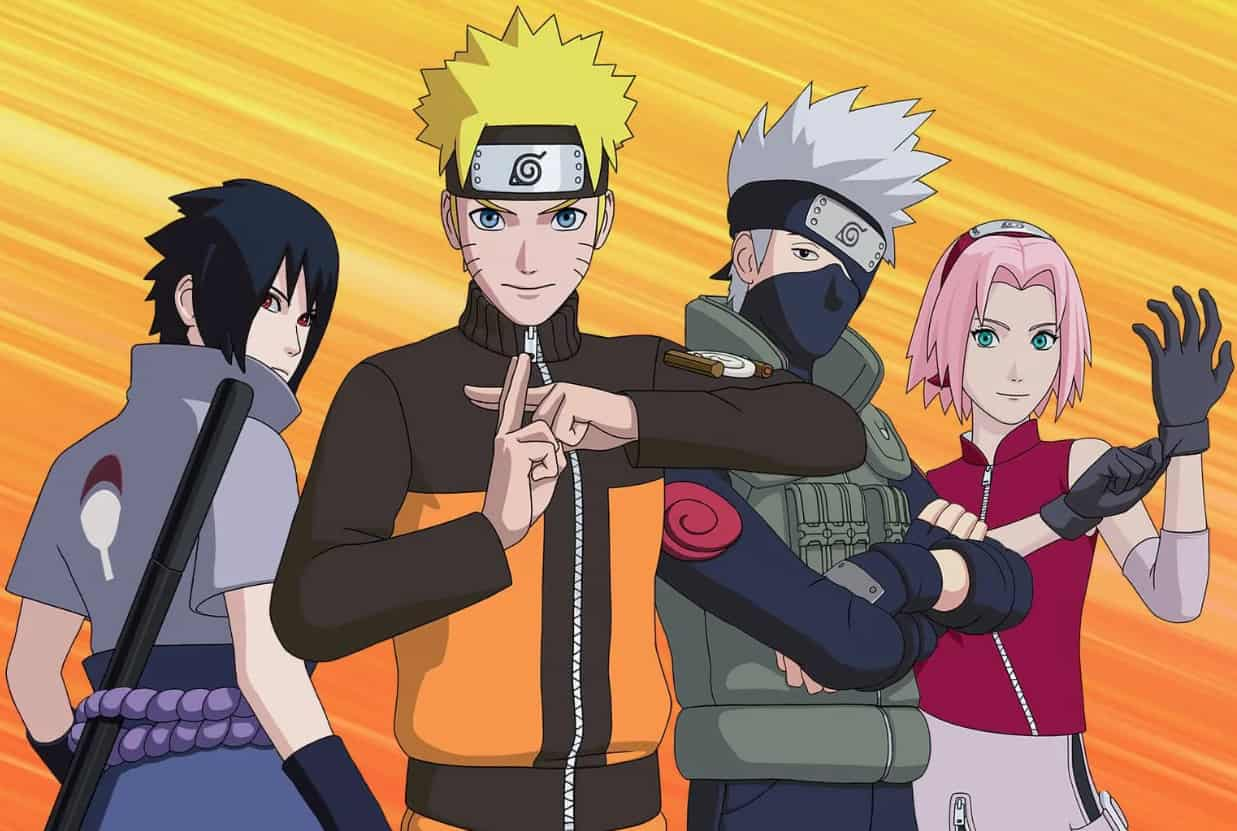
The Naruto collaboration introduced Fortnite’s anime visual style and remains one of the most iconic crossovers to date.
- Naruto Uzumaki
The flagship character introduced Fortnite’s anime visual style, complete with signature animations and recognizable outfits. - Sasuke Uchiha
Focused on darker aesthetics, Sasuke’s skin emphasized detailed facial design and sharp outfit contrast. - Itachi Uchiha
Released in later waves, Itachi showcased improved shading and anime-accurate proportions. - Kakashi Hatake
A fan-favorite, Kakashi’s skin balanced tactical Fortnite gear with anime authenticity. - Sakura Haruno & Hinata Hyuga
These additions helped expand representation, contributing to demand for female anime character skins in Fortnite.
Dragon Ball Z Collaboration
Dragon Ball remains the deepest crossover in Fortnite’s anime catalog, with multiple waves spanning heroes and villains alike.
- Early Wave Characters
Goku, Vegeta, Bulma, and Piccolo launched the collaboration with basic transformation concepts. - Expanded Hero Additions
Gohan, Future Trunks, Android 17, and Android 18 added depth and variety to the roster. - Villain-Focused Waves
Frieza, Cell, Beerus, and Goku Black introduced antagonists, elevating the collection and providing players with diverse character options. - Chapter 6 Expansion
Dragon Ball continues to influence expectations for future anime collaborations, setting a high bar for breadth and quality.
My Hero Academia
The My Hero Academia collaboration brought the popular hero academy setting into Fortnite with careful attention to character design and authenticity.
- Core Heroes
Izuku Midoriya, All Might, Bakugo, and Todoroki defined the launch wave with their instantly recognizable hero costumes. - Supporting Characters
Ochaco Uraraka, Kirishima, and Mina Ashido broadened team representation and added more personality to the collection. - Villains Introduction
Himiko Toga, Dabi, and Tomura Shigaraki shifted focus toward darker storylines and provided balance to the hero-heavy roster. - Visual Consistency
All skins maintained anime-accurate proportions and color grading, staying true to the source material. - Style Variants
Multiple outfits increased replay value and locker customization options for dedicated fans. - Collaboration Longevity
This set remains one of the most requested returns, demonstrating sustained player interest in My Hero Academia content.
Jujutsu Kaisen
The Jujutsu Kaisen collaboration brought modern anime aesthetics to Fortnite with clean designs and faithful character representations.
- Yuji Itadori
Designed with balanced shading and minimal effects, staying true to the protagonist’s grounded appearance. - Satoru Gojo
A standout skin featuring clean facial detail and the iconic blindfold design that fans immediately recognize. - Megumi Fushiguro & Nobara Kugisaki
Provided visual diversity and tactical aesthetics, rounding out the main cast. - This collaboration defined expectations for how modern anime properties could be translated into Fortnite’s art style.
Kaiju No. 8
One of the newer additions to Fortnite’s anime lineup, Kaiju No. 8 brought a fresh aesthetic to the collection.
- Kafka Hibino
The central figure featuring clean armor detailing and distinctive character design. - Kikoru Shinomiya
A sharp, combat-ready design with strong color contrast and tactical appearance. - Reno Ichikawa
Focused on realism blended with anime styling, creating a unique visual identity.
Cowboy Bebop
This collaboration appealed to long-time anime fans with its faithful recreation of the classic series’ aesthetic.
- Spike Spiegel
Minimalist design faithful to the original anime, capturing the character’s laid-back but capable personality. - Faye Valentine
Stylish, expressive, and widely praised for accuracy, bringing the bounty hunter’s iconic look to Fortnite.
One Punch Man
The One Punch Man collaboration brought satirical superhero aesthetics into the battle royale.
- Saitama
Intentionally simple, mirroring the character’s iconic appearance and comedic premise. - Genos
Highly detailed cybernetic design showcasing Epic’s ability to handle complex mechanical elements. - Tatsumaki
Expanded interest in anime-styled powers without heavy visual effects, maintaining performance optimization.
Bleach
Released during Winter 2025, the Bleach collaboration reinforced Fortnite’s continued commitment to anime content.
- Ichigo Kurosaki
The centerpiece of the collaboration with anime-faithful proportions and signature orange hair. - Rukia Kuchiki
Clean outfit design with subtle shading that captured the character’s essence. - Orihime Inoue & Uryu Ishida
Rounded out the release, providing fans with a diverse cast of beloved characters.
Original Anime-Styled Designs
Beyond franchise collaborations, Epic Games has developed original anime-inspired characters.
- Original Characters
Ace Academic, Erisa, Reina, and Mae showcased Epic’s in-house anime concepts and design capabilities. - Icon Crossovers
Hatsune Miku introduced Vocaloid aesthetics outside traditional manga franchises, expanding what “anime” could mean in Fortnite.
Franchise Overview Table
| Franchise | Notable Skins | Chapter Introduced |
|---|---|---|
| Naruto | Naruto, Sasuke, Itachi, Kakashi | Chapter 2 / 6 |
| Dragon Ball | Goku, Vegeta, Frieza, Cell | Multiple Waves |
| My Hero Academia | Deku, All Might, Bakugo, Todoroki | Chapter 5 / 6 |
| Jujutsu Kaisen | Gojo, Yuji, Megumi | Chapter 6 |
| Bleach | Ichigo, Rukia, Orihime | Chapter 6 |
| One Punch Man | Saitama, Genos, Tatsumaki | Chapter 5 |
| Cowboy Bebop | Spike, Faye | Chapter 5 |
| Kaiju No. 8 | Kafka, Kikoru | Chapter 6 |
The Evolution of Fortnite’s Anime Strategy
Fortnite’s anime catalog has grown into a structured release pipeline rather than one-off experiments. Each collaboration now follows a predictable rhythm—launch, expansion, and refinement.
- Release Scheduling
Major collaborations align with seasonal updates, maximizing visibility and player engagement during high-traffic periods.
- Wave-Based Expansion
Popular franchises receive multiple skin drops over time, allowing Epic to gauge demand and respond with additional characters that fans request.
- Future Prospects
Survey leaks and community speculation suggest continued growth into 2026, with highly anticipated franchises like One Piece remaining at the top of player wish lists.
Why Anime Skins Matter
Anime collaborations have become one of the most reliable and evolving cosmetic categories in Fortnite. They represent more than just crossover marketing—they demonstrate Epic Games’ commitment to:
- Cultural Authenticity: Respecting source material while adapting it to Fortnite’s aesthetic
- Community Engagement: Listening to player feedback and expanding popular collaborations
- Visual Quality: Continuously improving art direction and character representation
- Sustained Interest: Creating long-term value through wave-based releases rather than single drops
As Epic continues refining its approach, Fortnite anime skins remain a cornerstone of the game’s cosmetic ecosystem, bridging gaming and anime culture in increasingly sophisticated ways.
Also Read:
About the Author